
How to Host an Equity Workshop That Turns Homeowners into Motivated Sellers
Real Estate Marketing, Listing Strategies, Equity Workshops
How to Host an Equity Workshop That Turns Homeowners into Motivated Sellers
Discover how to use equity-focused homeowner workshops to position yourself as the market expert, attract move-up sellers, and convert educational events into high-quality listing appointments in your local area.
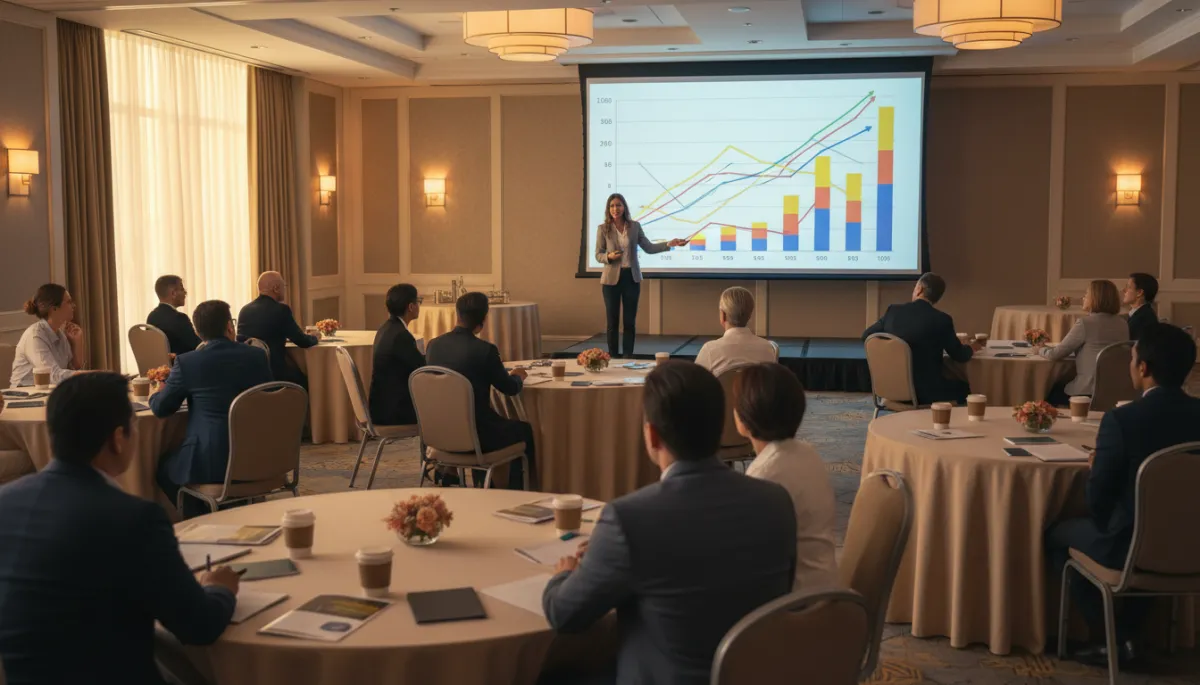
SEO Title: How to Host an Equity Workshop That Turns Homeowners into Motivated Sellers | The Equity Edge for Real Estate Agents
Meta Description: Learn how to host an equity workshop that positions you as the go-to listing expert, attracts equity-rich move-up homeowners, and converts attendees into motivated sellers through a strategic agenda, targeted promotion, and structured follow-up.
Why Equity Workshops Turn You into the Go-To Expert
Equity-rich homeowners are bombarded with generic postcards, portal ads, and “What’s Your Home Worth?” emails. What they rarely receive is clear, personalized education on how to turn that equity into the next chapter of their lives. Hosting an equity workshop fills that gap and immediately elevates you above agents who rely on one-off marketing touches.
When you bring homeowners together in a structured setting and walk them through their options, you are not just prospecting—you are advising. You become the professional who:
- Interprets complex market data in plain language
- Shows them what their equity can actually do for their lifestyle
- Provides realistic, step-by-step paths to upsizing or relocating
This positions you as a trusted housing wealth strategist, not just another salesperson. Over time, your name becomes synonymous with “the agent who helps homeowners unlock equity the smart way.” That brand positioning is extremely difficult for competitors to replicate with simple ads or cold calls.
Choosing the Right Format and Audience: In-Person vs. Virtual
Before you plan content, decide how you will deliver the workshop and who should be in the room. The format and audience you choose will shape everything from your promotion strategy to your follow-up process.
In-Person Workshops: Best for Deep Relationships
In-person events work exceptionally well when you want to build high-trust relationships and showcase your local expertise. They are ideal if you have access to a community center, brokerage training room, or co-host partner such as a local lender or financial planner with a meeting space.
- Pros: Stronger personal connection, easier to read body language, more organic conversations before and after the session, and higher conversion to appointments on the spot.
- Cons: Limited by geography and room size, more logistics (parking, refreshments, materials), and potentially higher costs.
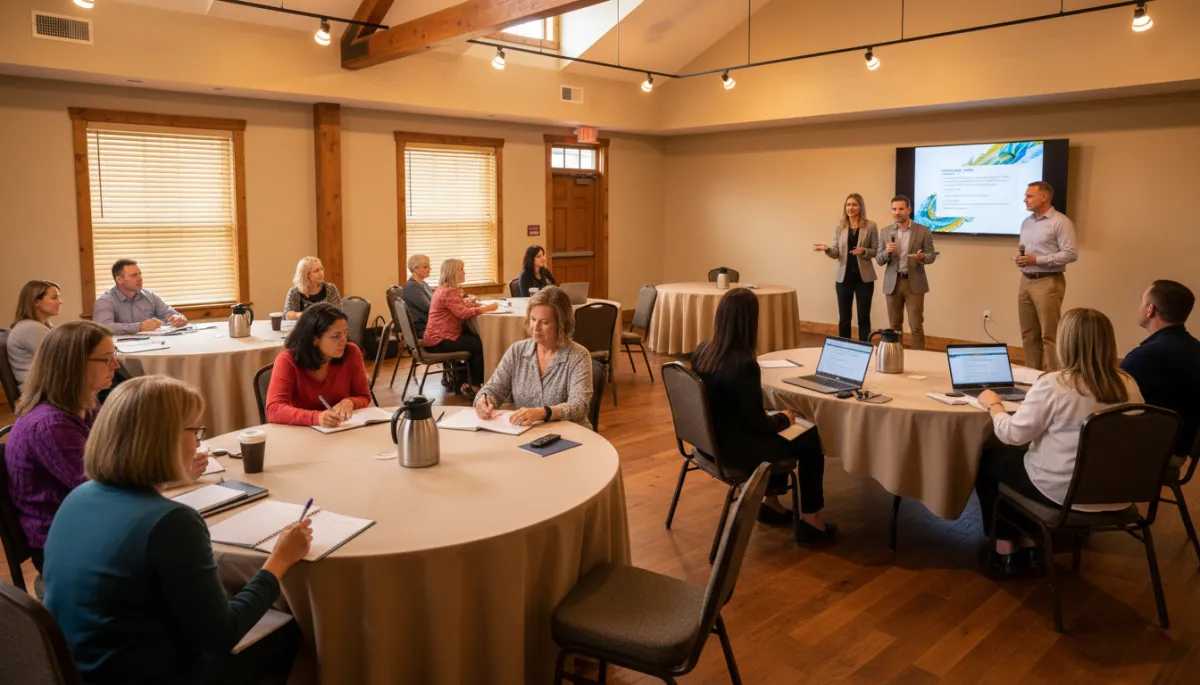
Image of a small group of homeowners seated around tables at a community center, a real estate...
Virtual Workshops: Best for Scale and Convenience
Virtual equity workshops, hosted via Zoom or similar platforms, allow you to reach more homeowners with less friction. They are particularly effective in markets where commuting is a barrier or where homeowners prefer to learn from home in the evening.
- Pros: Larger potential audience, easy to record and repurpose, lower cost, and simpler to host consistently (monthly or quarterly).
- Cons: Harder to build personal rapport, more distractions for attendees, and less opportunity for informal conversations.
Defining Your Ideal Audience: Equity-Rich, Move-Up Focused
For The Equity Edge series, your primary target is equity-rich homeowners who are likely to upsize. In many U.S. markets, this includes:
- Owners who purchased 7–15 years ago and have benefited from significant appreciation
- Growing families who are starting to outgrow their current home or school district
- Professionals whose income has increased since purchase and who are ready for a lifestyle upgrade
Use your MLS data, your CRM, and your title or lender partners to identify neighborhoods and segments with high equity concentration. Tailor your workshop messaging to speak directly to their situation: “You bought in 2012–2016 and now your home may be your largest financial asset. Here’s how to put it to work.”
Designing a Workshop Agenda That Creates Motivated Sellers
A successful equity workshop is structured, concise, and focused on actionable decisions. Aim for 60–75 minutes total, including Q&A. Below is a proven agenda framework that covers the four core elements: local market data, equity calculation, move-up scenarios, and rate strategy.
1. Welcome and Positioning (5–10 minutes)
Start by introducing yourself, your team, and any co-hosts (lender, financial planner, tax professional). Briefly share your track record with move-up sellers and why you created The Equity Edge workshop series. Set expectations: this is an educational session, not a hard sales pitch, and attendees will walk away with personalized next steps if they choose.
2. Local Market Data: Context for Their Equity (10–15 minutes)
Homeowners hear national headlines, but they make decisions based on their local reality. Present clear, simple visuals that answer:
- How have prices in their neighborhood changed over the last 5–10 years?
- What is the current months of inventory and average days on market for their home type?
- How does demand differ for starter homes versus move-up or luxury homes in your area?
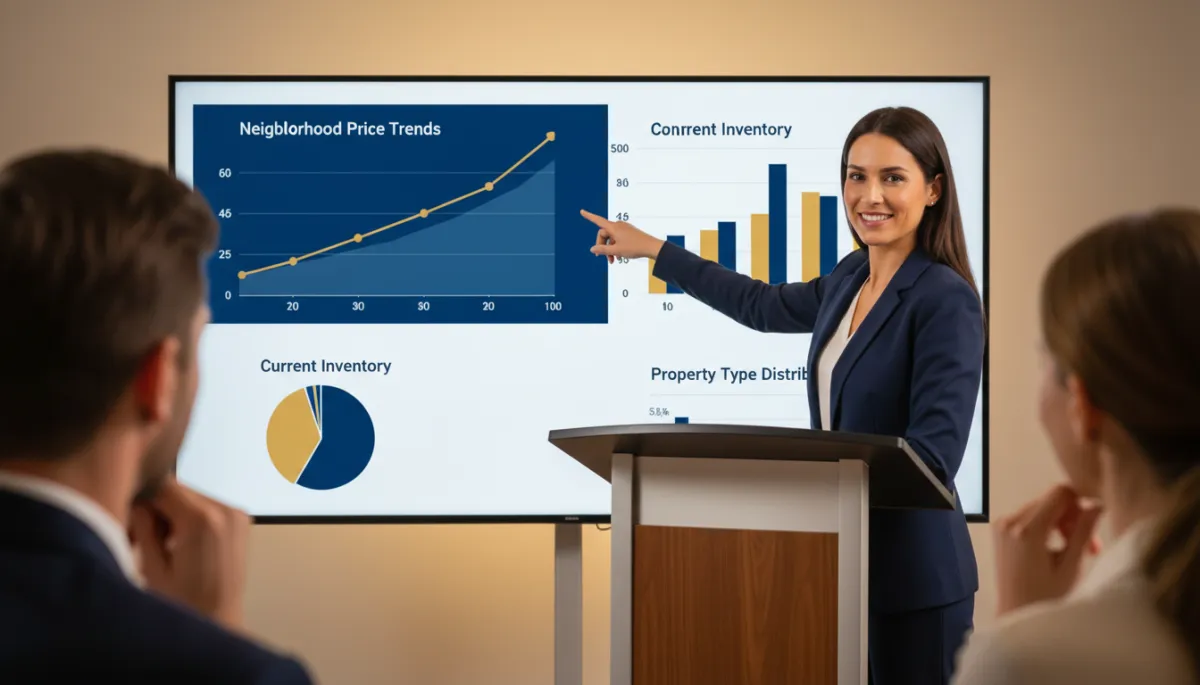
Close-up of a real estate agent at a podium pointing to a large screen with neighborhood price...
Keep charts clean and avoid jargon. The goal is to help attendees see that they are in a favorable position to sell a highly desirable, equity-rich property while moving into the next phase of their lives with confidence.
3. Equity Calculation: What They Actually Have (15–20 minutes)
Next, bridge the gap between market data and their personal situation. Walk through a step-by-step equity calculation using an anonymized real-world example from your market:
- Estimated current value (based on comparable sales and market trends)
- Outstanding mortgage balance and any secondary liens or HELOCs
- Approximate selling costs (commissions, closing costs, potential repairs)
- Net proceeds available for the next purchase and reserves
Provide a simple worksheet or digital calculator link so attendees can plug in their own numbers after the session. Emphasize that you can prepare a personalized equity and move-up analysis in a one-on-one consultation.
4. Move-Up Scenarios: From Equity to Lifestyle Upgrade (15–20 minutes)
Once homeowners see their equity, they need to understand what it can do. Present two or three realistic move-up scenarios common in your market, such as:
- Moving from a starter home to a larger property with a dedicated home office and better schools
- Trading up from an older home to a newer, low-maintenance property with modern amenities
- Relocating within the region for a shorter commute or closer proximity to family
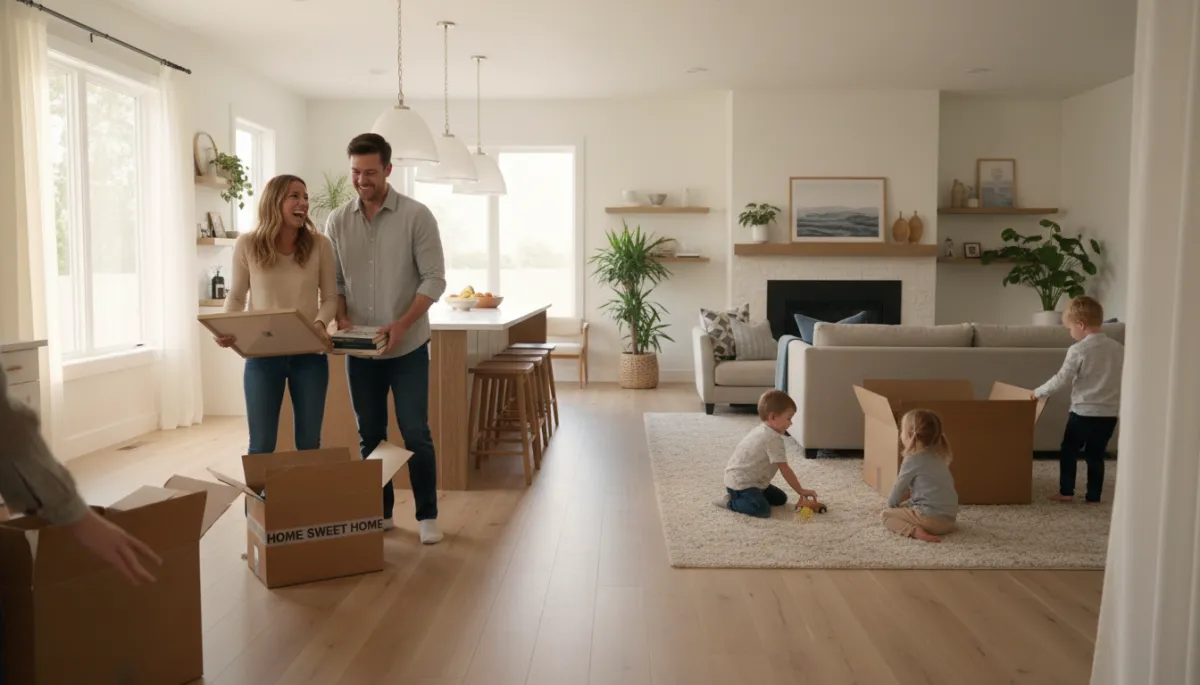
Lifestyle scene of a family in a bright, upgraded open-concept kitchen and living room, boxes...
For each scenario, show side-by-side comparisons of monthly payments, estimated down payment from equity, and how the move aligns with common goals: more space, better schools, or improved daily convenience. This is where homeowners begin to picture themselves actually moving, not just thinking about their home’s value.
5. Rate Strategy and Financing Options (10–15 minutes)
Many equity-rich homeowners are hesitant because they are anchored to an older, lower interest rate. Address this head-on with a rate strategy segment, ideally co-presented with a trusted lender partner. Cover:
- The trade-off between rate, payment, and lifestyle benefit (more space, better location, quality of life)
- Strategies such as temporary buydowns, adjustable-rate options, or blended rate scenarios when keeping an existing property as a rental
- How increased equity can improve loan terms, lower mortgage insurance, or open up more attractive products
The goal is not to minimize rate concerns, but to show that with the right structure, moving up can still be financially and personally compelling even in a higher-rate environment.
6. Clear Next Steps and Q&A (10–15 minutes)
Close with a concise summary and a simple, low-pressure invitation: a one-on-one Equity Edge Consultation where you will prepare a personalized equity, pricing, and move-up plan. Make it easy to schedule on the spot using QR codes linked to your calendar or printed sign-up forms. Then open the floor for questions, reinforcing your role as a knowledgeable, calm advisor.
How to Promote Your Equity Workshop and Fill the Room
Even the best workshop fails without attendees. To attract the right homeowners, use a coordinated promotion plan across social media, email, and direct mail, all speaking to the same core promise: helping them understand and unlock their equity in a smart, strategic way.
Social Media: Targeted Awareness and Easy Registration
Use your Facebook, Instagram, and LinkedIn profiles to create event posts, short videos, and stories that highlight:
- Who the workshop is for (owners who bought between specific years or in certain neighborhoods)
- What they will learn (how much equity they likely have, realistic move-up options, rate strategies)
- How to register (simple event page or landing page with minimal required fields)

Scene of a real estate agent in a modern office recording a short video on a smartphone about an...
Consider running a small, geo-targeted ad campaign on Facebook and Instagram aimed at homeowners in specific ZIP codes and age ranges typical of move-up sellers. Use language that speaks to their situation: “Bought your home before 2017? Join us to see how much equity you may be sitting on—and what it could do for your next move.”
Email Campaigns: Warm Invitations to Your Database
Your past clients and sphere are prime candidates for an equity workshop. Create a short email sequence:
- Announcement Email: Introduce the concept, explain who it is for, and link to the registration page.
- Reminder Email: Share one or two quick data points about local appreciation and emphasize limited seating or limited spots for consultations.
- Last-Call Email: Send 24–48 hours before the event to capture late deciders.
Personalize where possible—reference the year they bought or the neighborhood they live in. This reinforces that you are thinking about their specific situation, not just filling seats.
Direct Mail: Tangible Invitations for Local Homeowners
Direct mail remains highly effective with equity-rich homeowners, especially those who have been in their homes for many years. Send a professionally designed postcard or letter that:
- References recent appreciation in their neighborhood or subdivision
- Invites them to a “Neighborhood Equity Edge Workshop” with date, time, and location
- Includes a QR code or short URL that takes them directly to your registration page
Structuring Follow-Up to Convert Attendees into Listing Appointments
The real ROI of an equity workshop is realized in the follow-up. Treat the event as the start of a relationship, not the finish line. Build a simple, repeatable follow-up system that respects attendees’ timelines while keeping you top of mind as their equity advisor.

Image of a real estate agent at a tidy desk reviewing a list of workshop attendees on a laptop,...
Immediately After the Event: Thank-You and Resources
Within 24 hours, send a personalized thank-you email to all attendees that includes:
- A brief recap of the key points covered (market data, equity calculation, move-up options, rate strategies)
- A link to download your equity worksheet or a recording of the virtual session, if applicable
- A clear call to action to schedule a one-on-one Equity Edge Consultation, with a link to your online calendar
3–7 Days After: Personal Outreach and Equity Snapshots
In the days following, prioritize personal outreach to attendees who showed strong engagement—those who asked questions, stayed after, or indicated plans to move. Call or send a personalized video message referencing something specific they mentioned and offer a customized equity snapshot or pricing estimate for their home.
For all attendees, consider mailing a handwritten note thanking them for coming and enclosing a simple “Your Home Equity at a Glance” one-pager with your contact information. This tangible piece reinforces your professionalism and keeps you visible in their home.
Ongoing Nurture: From Interest to Intent
Not every attendee will be ready to move in the next 30–60 days. Add them to a dedicated nurture track focused on equity and move-up content:
- Quarterly local equity updates for their neighborhood
- Case studies of families who successfully moved up using your guidance
- Occasional invitations to future Equity Edge workshops or webinars
Over time, this consistent, value-driven follow-up makes it natural for them to reach out to you first when the timing is right, because you have stayed in touch as an equity and move-up expert, not a sporadic salesperson.
Key Mistakes Agents Make When Hosting Equity Workshops
To maximize results, avoid the common pitfalls that cause well-intentioned workshops to fall flat. Being aware of these mistakes helps you design a more professional, effective experience from day one.
Mistake 1: Making the Session a Sales Pitch
Homeowners attend workshops for clarity and education, not to be sold to. If your presentation is heavy on self-promotion, listing stats, and “why we are number one,” you will lose trust quickly. Keep the focus on their questions, their equity, and their options. Your expertise will be obvious through the quality of your content and your ability to answer questions thoughtfully.
Mistake 2: Overloading with Jargon and Complex Data
While you live in the world of absorption rates and basis points, your attendees do not. Avoid slides crowded with text, acronyms, and overly detailed charts. Instead, use simple visuals and plain language that answer the questions homeowners actually have: “What is my home likely worth?” “How much could I walk away with?” “What would my next payment look like?”
Mistake 3: Failing to Define a Clear Next Step
Many agents deliver a solid workshop but end with a vague “Let me know if you have any questions.” Without a specific, low-friction next step, most attendees will leave feeling informed but not compelled to act. Always conclude with a clear invitation to a one-on-one consultation, with an easy way to schedule before they walk out or log off.
Mistake 4: Weak or Nonexistent Follow-Up
Hosting a strong event but neglecting follow-up is one of the most costly errors. Equity-rich homeowners may need time to align family, finances, and timing. Without structured follow-up, they will forget details, lose momentum, and potentially respond to another agent’s outreach later. Treat every attendee as a long-term relationship and have a documented follow-up plan before your first workshop goes live.
Mistake 5: Inconsistent Branding and Experience
From your invitation materials to your slides and handouts, your workshop should feel cohesive and professional. Inconsistent branding, low-quality printouts, or disorganized delivery can undermine your authority. Invest the time to create a polished slide deck and materials that reflect the level of care you bring to listing a home. This reinforces your positioning as the go-to advisor for high-value real estate decisions.
Bringing It All Together: The Equity Edge in Your Market
Hosting an equity workshop is more than a single marketing tactic—it is a repeatable system for attracting and converting equity-rich homeowners who are ready to move up. By choosing the right format and audience, designing a clear agenda, promoting effectively across channels, and following up with intention, you create a pipeline of motivated sellers who already see you as their trusted guide.
As you refine your Equity Edge workshops over time, track what resonates: which topics generate the most questions, which promotion channels fill the most seats, and which follow-up approaches lead to the highest conversion to listing appointments. Use that feedback to continuously improve the experience and deepen your reputation as the equity expert in your local market.
In a competitive landscape where many agents chase the same online leads, your willingness to educate, advise, and lead in person or virtually sets you apart. Implementing a professional, well-structured equity workshop strategy can become one of the most reliable levers for growing your listing inventory—and for helping homeowners confidently step into the next chapter of their lives.
