
How to Close More Listings This Summer by Targeting Equity-Rich Move-Up Sellers
Real Estate, Listings, Equity-Rich Sellers, Summer 2026
How to Close More Listings This Summer by Targeting Equity-Rich Move-Up Sellers
This article is part of The Equity Edge, a series for real estate professionals who want to turn today’s record home equity into tomorrow’s listing opportunities with equity-rich move-up sellers.
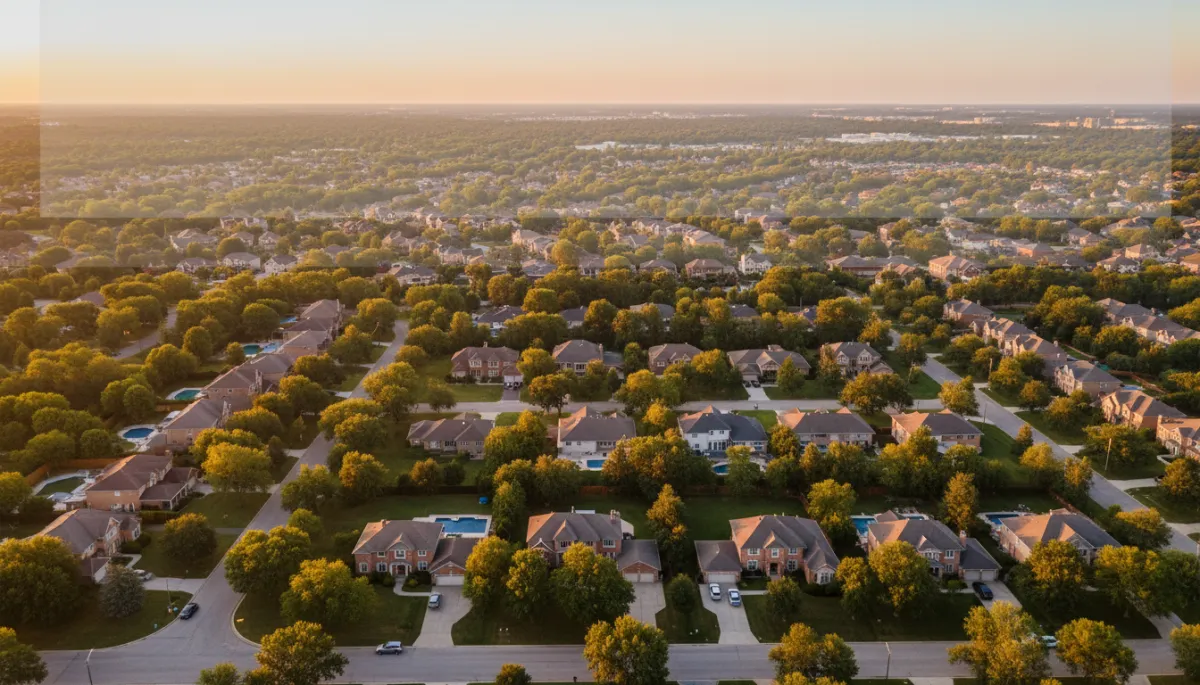
Why Summer 2026 Is a Prime Window for Equity-Rich Move-Up Sellers
Across the U.S., homeowners are sitting on unprecedented levels of equity after years of rising prices. Median sales prices hit an all-time high in June 2026, even as asking prices slipped 2.5% year-over-year in many metros and real price growth lags inflation. At the same time, affordability has quietly improved: mortgage payments are about 1.9% lower than a year ago and rates have stabilized in the 6.3–6.5% range, according to Realtor.com and Zillow data. For equity-rich owners who have outgrown their homes, this combination creates a powerful move-up window—especially in summer.
Seasonal psychology: when “someday” becomes “this year”
Summer is when latent move-up dreams surface. Longer days, more time outdoors, and social gatherings shine a spotlight on space, lifestyle, and comfort. Homeowners compare their yard, kitchen, or pool to friends’ homes. They notice how cramped the house feels with kids home from school or extended family visiting. Emotionally, this is when many owners re-evaluate whether their current home still fits the life they are actually living, not the life they had five or ten years ago.
This seasonal mindset is especially strong among equity-rich owners in family-oriented neighborhoods. They are often in their “pressure years”: careers are more stable, incomes are higher, and their expectations for lifestyle, school quality, and convenience have grown. Summer becomes a natural decision-making season, not just a shopping season.
School calendars: the move-up family’s planning horizon
For households with school-age children, summer is the only realistic time to execute a move without major disruption. Parents want to:
- Enroll kids in new schools before fall
- Avoid mid-year transfers and social upheaval
- Complete moves and minor renovations before school starts
Even though recent research shows more activity shifting into spring, the practical reality for many families is that decisions crystallize in late spring and early summer. By June and July, they either act—or defer another year. That creates urgency you can ethically tap into when you frame timelines clearly: “If you want your kids settled by the first day of school, here’s the window we need to work within.”
Market timing: high equity, stabilizing prices, and improving affordability
The summer 2026 market is defined by stability rather than frenzy. Inventory is slightly higher than last year, days on market have flattened at around 53 days, and pending sales have risen for seven consecutive months. In many markets, sellers still benefit from strong price levels, but buyers have more breathing room and negotiating power. This is exactly the kind of environment where move-up sellers can:
- Capture near-peak value on their current home
- Negotiate more favorable terms and contingencies on their next purchase
- Leverage slightly lower mortgage payments compared with last year
Your job as an agent is to connect those dots for them: “You are selling at or near the top of the market, but you are buying in a calmer, more negotiable environment with slightly improved affordability. That is a rare combination.”

Summer conversations about equity and timing often unlock long-delayed move-up decisions.
How to Identify and Prioritize Equity-Rich Move-Up Leads in Your Market
Equity-rich move-up sellers are not random. They cluster in certain neighborhoods, price bands, and life stages. With a disciplined approach, you can build a focused list of high-probability prospects instead of casting a wide, generic net.
Start with data: where is the equity concentrated?
Use your MLS, public records, and third-party data platforms to map equity-rich pockets in your territory. Focus on:
- Tenure: Owners who purchased 7–12 years ago have often seen the largest equity gains, especially in markets that boomed between 2019 and 2024.
- Neighborhood appreciation: Identify subdivisions or ZIP codes where median values have outpaced the metro average.
- Loan-to-value (LTV) indicators: Use available data or AVMs to estimate owners with 40%+ equity or who are likely to be free and clear.
Cross-reference this with current listing and sales activity. Areas with strong equity and limited inventory are prime for move-up conversations: owners sense their leverage but may not realize how far that equity can stretch in today’s rate and price environment.
Layer in demographics and life stage signals
Equity alone does not create motivation. Life stage does. Within your equity-rich zones, look for:
- Growing families: Three-bedroom starter homes near good schools where minivans line the driveways and backyard toys are visible.
- Professionals with remote or hybrid work: Households that may now need dual home offices, flex spaces, or larger yards.
- Empty nesters with high equity: They may not be “move-up” in size but are move-up in lifestyle—closer to grandkids, golf, or a walkable town center.
Combine your data with on-the-ground observation. Drive your target neighborhoods during summer evenings. Notice which homes look maxed out—overflowing garages, multiple cars, or signs of home-based work. These are often the households quietly thinking, “We’ve outgrown this place.”
Prioritization framework: who should you call first?
Once you have a list, rank your leads based on three factors:
- Equity strength: Higher equity means more flexibility to overcome rate concerns and bridge between sell and buy.
- Life stage urgency: School-age children, expanding families, or clear lifestyle misalignment with the current home.
- Relationship strength: Past clients, sphere, and referral connections should always rise to the top.

A focused equity and life-stage score helps agents prioritize the highest-probability move-up sellers.
Summer-Specific Outreach and Conversation Strategies That Convert
Summer outreach should feel timely, local, and lifestyle-driven. Equity-rich owners do not respond to generic “What’s your home worth?” messages—they respond to relevant, seasonal conversations about how their equity can upgrade their day-to-day life before the next school year or life milestone.
Lead with lifestyle, then connect the equity dots
When reaching out this summer, anchor your message in the experiences your clients want, not in abstract financial metrics. For example:
- “How would it feel to have a backyard that comfortably hosts the whole team for end-of-season parties?”
- “If you had a dedicated home office, how much easier would summer work-from-home days be?”
Once you paint the picture, bridge to equity: “You’ve built a significant amount of equity over the last decade. This summer may be the first time the numbers and the lifestyle line up in your favor.”
High-impact summer touchpoints: mail, events, and digital
Consider a three-channel approach aimed at your prioritized list:
- Targeted direct mail: Send a “Summer Equity Upgrade Report” postcard or letter that shows:
- An estimated current value range for their home
- A sample “trade-up” scenario: what their equity could buy in a nearby neighborhood with larger homes or better amenities
- Neighborhood summer events: Sponsor or host a popsicle stand at a park, a block party, or a back-to-school supply drive. Use these as low-pressure opportunities to say, “If you have ever wondered what your current home could buy you right now, I’m happy to run a quick Equity Edge analysis for you.”
- Digital campaigns: Run social ads or email campaigns specifically targeting homeowners who bought 7–12 years ago in your farm. Offer a concise, value-driven lead magnet such as “The 2026 Move-Up Playbook: How to Trade Your Equity for the Home You Really Want.”

Casual summer events create natural openings for equity and move-up conversations.
Conversation frameworks that move beyond “What’s your rate?”
Many homeowners open with rate anxiety: “We have a 3% mortgage; it just doesn’t make sense to move.” If you accept that frame, the conversation ends. Instead, gently reframe the discussion around total monthly life and long-term wealth, not just the interest rate. A simple framework:
- Acknowledge: “You are right—your current rate is fantastic.”
- Explore lifestyle gap: “But how well does this home fit the way you actually live today?”
- Quantify options: “If we used your equity strategically, here is what your monthly payment and lifestyle could look like in a different home.”

Walking clients through their next-level home makes the equity story tangible and emotional.
Framing the Equity Story to Overcome Rate-Lock Hesitation
Rate lock is real. Millions of owners refinanced into historically low rates. However, many of those same owners are also sitting on hundreds of thousands of dollars in equity. Your role is to help them see equity as an active tool, not just a number on paper, and to reframe the decision from “Do I want to give up my rate?” to “Is my current loan worth sacrificing the life my equity could buy?”
Shift from interest rate to total return on life and wealth
Instead of debating basis points, walk clients through three dimensions of return:
- Quality of life: More functional space, better layout, shorter commute, or a location that supports their daily routines and relationships.
- Family outcomes: School quality, neighborhood safety, access to activities, and support systems for kids and aging parents.
- Long-term financial positioning: Using equity to move into a property with stronger appreciation potential, better rental prospects, or features that will attract future buyers.
Make it concrete: “Yes, your payment might increase by X dollars per month today. But what are you gaining in return—every single day—for the next 5–10 years? And what does that do for your net worth and your family’s options down the road?”
Use scenarios and safety nets, not pressure
Equity-rich sellers are often conservative by nature; they have built wealth by making disciplined decisions. Respect that mindset by presenting scenarios, not ultimatums:
- Scenario 1: Stay put – Show projected equity growth and lifestyle limitations if they remain in place for another 5 years.
- Scenario 2: Move-up now – Show how their current equity can reduce the loan amount, mitigate payment increases, and position them in a better long-term asset.
- Scenario 3: Hybrid strategy – For some, keeping the current home as a rental and using equity plus savings for the new purchase is viable. Partner with a lender and financial advisor to present a coordinated plan.
Language that resonates with equity-rich, rate-locked owners
Consider integrating phrases like:
- “You have already done the hard work of building equity. The question now is how you want that equity to serve you in this next chapter.”
- “We are not talking about giving up a rate; we are talking about trading a loan you love on a home that no longer fits, for a loan you can live with on a home that truly works.”
- “Let’s see if your equity can buy you back time, convenience, or peace of mind. If it cannot, you stay. If it can, you will know the numbers.”

Clear, side-by-side scenarios help equity-rich owners move beyond rate anxiety to confident decisions.
Your Summer 2026 Action Plan: Turn Equity into Listings
Equity-rich move-up sellers represent one of the most strategic listing opportunities in the current market. They have:
- Strong equity positions built over the past decade
- Genuine lifestyle and space needs that their current home no longer meets
- A seasonal window—this summer—when school calendars, market stability, and improved affordability align
To capitalize on this window, commit to a simple but focused plan for the remainder of the season:
- Define your equity-rich farm. Use tenure, appreciation, and demographic signals to map 200–500 households who are most likely to be move-up candidates.
- Create your “Equity Edge” toolkit. Prepare a standard move-up scenario template, a stay-versus-move comparison, and a short guide explaining how today’s rates and prices interact with their equity.
- Launch a 6–8 week touch campaign. Combine direct mail, digital outreach, and at least one in-person neighborhood event or client gathering focused on summer equity opportunities.
- Schedule equity strategy sessions. Invite top prospects to a 30-minute “Summer Equity Strategy Session” where you review their numbers, goals, and timelines—no pressure, just clarity.
- Partner with a lender. Work closely with a mortgage professional who understands move-up scenarios in a 6.3–6.5% rate world and can structure creative solutions such as buydowns, HELOC bridges, or rental-hold strategies where appropriate.

A focused summer equity strategy can translate directly into more high-quality listings.
A Strong Call to Action: Own the Equity-Rich Move-Up Niche
The agents who will win in the second half of 2026 are not waiting for the market to “go back” to 3% rates or bidding-war conditions. They are leaning into the market we have: high equity, stable prices, modestly improving affordability, and clients whose lives are evolving faster than their housing.
This summer, you have a choice. You can treat equity-rich move-up sellers as a vague segment, or you can claim them as your niche. That means:
- Speaking their language—lifestyle, family, long-term wealth—not just price and rate
- Bringing clarity where they currently feel stuck or guilty about even considering a move
- Providing specific, scenario-based guidance instead of generic market updates
If you are ready to turn this summer into your most strategic listing season yet, block off time this week to:
- Build your equity-rich target list.
- Design your “Equity Edge” outreach pieces and conversation tools.
- Schedule your first five Summer Equity Strategy Sessions with past clients or sphere members who fit the profile.
Commit to being that advisor. Own the equity story in your market. When you do, you will not only close more listings this summer—you will build a reputation as the go-to expert for one of the most powerful client segments in today’s housing landscape.
