
5 Reasons Equity-Rich Homeowners Are the Best Leads in Real Estate Right Now
Real Estate, Lead Generation, Equity-Rich Homeowners
5 Reasons Equity-Rich Homeowners Are the Best Leads in Real Estate Right Now
In a 2026 market defined by normalization, modest price growth, and more discerning buyers, real estate agents can no longer afford to chase every possible lead. The most successful agents are becoming highly selective about where they invest their time and marketing budget. One segment stands out above the rest: equity-rich homeowners — owners whose mortgage balances are less than half of their home’s value. With 43.3% of mortgaged U.S. properties now in this category, according to ATTOM’s Q1 2026 report, this is not a niche. It is the single most important lead pool for growth-minded agents.
The 2026 Equity Landscape: A Quiet Goldmine for Agents
Despite some softening in home prices, homeowner balance sheets remain exceptionally strong. ATTOM reports that in Q1 2026, 43.3% of mortgaged homes were equity-rich, even after a year of modest price declines in many markets. At the same time, just 3.2% of mortgaged homes were seriously underwater, up slightly but still historically low. In other words, the typical homeowner is sitting on substantial equity and a powerful financial buffer.
The broader wealth context underscores the opportunity. The total value of owner-occupied real estate in Q1 2026 reached roughly $48.7 trillion, an all-time high, with about $47 billion in equity tapped in just one quarter via cash-out refinances and home equity products. Homeowners are not only equity-rich; they are increasingly comfortable using that equity to reshape their lives — upgrading homes, consolidating debt, or funding major life transitions. For agents, this is precisely the type of owner who is both able and ready to move.
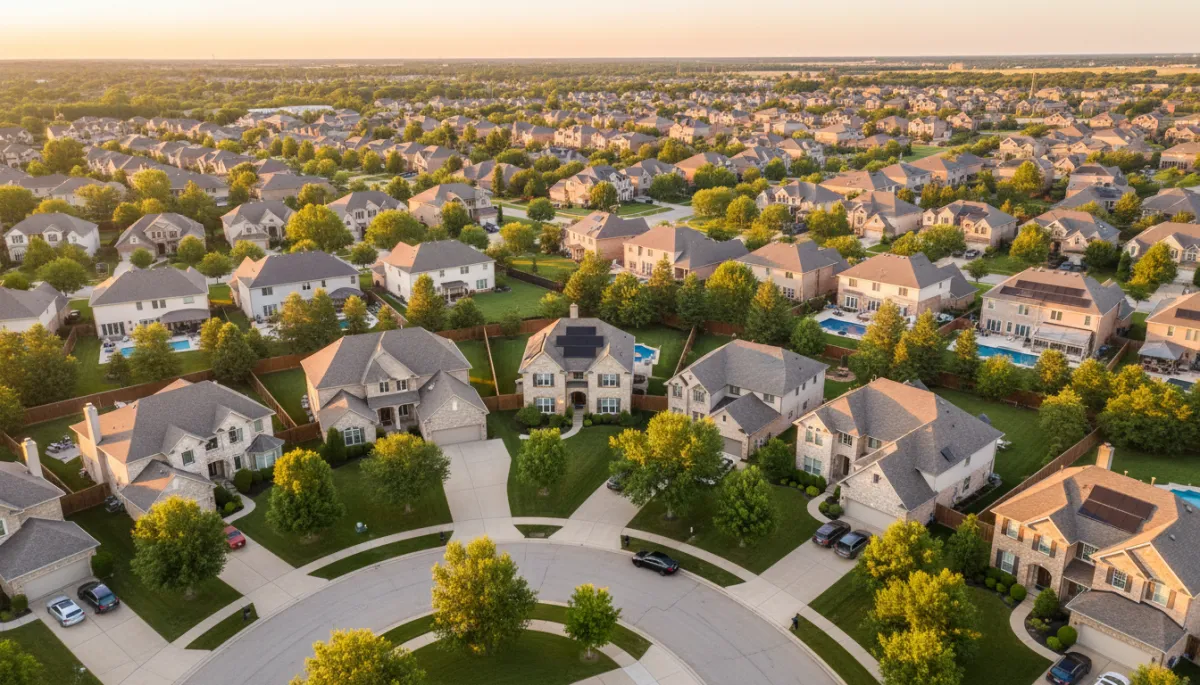
Nearly half of mortgaged U.S. homes now have at least 50% equity, creating a deep lead pool.
Reason 1: Higher Transaction Value and More Flexible Move-Up Options
When you prioritize equity-rich homeowners, you are not just targeting people who can sell — you are targeting those who tend to transact at a higher price point with more room to maneuver. Because their loan balance is 50% or less of the property’s value, they have substantial net proceeds available after closing. That translates into larger down payments, stronger offers, and often, more than one transaction opportunity for you as their agent.
- Move-up buyers: Equity-rich sellers can comfortably transition from a starter or mid-tier home into a higher-priced property, even in a market with mortgage rates in the 6–6.5% range.
- Second-home and investment buyers: Many use equity to acquire a vacation home, a rental, or a small portfolio of properties — multiplying your potential commission opportunities.
- Cash and near-cash buyers: With decades of appreciation behind them, some equity-rich owners can buy their next home with little or no financing, making them highly competitive in any local market.
In practical terms, this means a higher average transaction value per client. Consider an owner who bought 10–15 years ago in a market like Los Angeles or San Diego, where equity-rich shares exceed 58% of mortgaged homes. Even with modest price growth projected nationally (1–2% in 2026, according to Realtor.com and Zillow), their accumulated equity is substantial. When they sell, they are likely to purchase at or above today’s median price, and often in a more desirable segment of the market. For you, that can mean one listing commission, one buy-side commission, and a long-term client who thinks of real estate as a strategic wealth tool rather than a one-time transaction.
Reason 2: Stronger Motivation Levels in a Normalizing Market
Lead quality is ultimately about motivation. In the peak frenzy years, nearly everyone was curious about selling, but not everyone was serious. In 2026, as bidding wars fade and pricing becomes more rational, the casual “let us see what happens” sellers are receding. Equity-rich homeowners who raise their hands now tend to have clear, concrete reasons for moving — and the financial capacity to follow through.
Several factors are driving this motivation:
- Lifestyle changes: Downsizing after children leave, upsizing for multi-generational living, or relocating to lower-cost or higher-amenity regions — all are easier when a household has deep equity and a strong net sheet.
- Financial optimization: Owners who have watched mortgage rates rise are thinking more strategically about debt, taxes, and retirement. Selling a high-equity home can rebalance their entire financial picture.
- Equity extraction trends: With cash-out refinances and home equity products up year-over-year — and an average of about $93,000 withdrawn per homeowner tapping equity in Q1 2026 — many owners are already in a “use my equity” mindset. Selling is a logical extension of that thinking.
For agents, this means that an equity-rich seller lead is far more likely to progress from initial conversation to listing appointment to signed agreement. They are typically not testing the waters; they are evaluating how and when to move, and which professional can best guide that process. Your job is to show them, with data and strategy, how their equity can be converted into the next phase of their life with minimal friction.

Equity-rich owners usually have clear life transitions driving their decision to sell.
Reason 3: Lower Friction, Fewer Financing Hurdles, and Smoother Closings
Not all listings are created equal. Some are inherently more complex: thin equity, appraisal risk, seller credit requests, and delicate negotiations around net proceeds. Equity-rich homeowners, by contrast, usually offer low-friction transactions that close with fewer surprises and less stress for everyone involved — including you and your team.
The advantages are tangible:
- Pricing flexibility: Because they are not squeezed by their payoff amount, equity-rich sellers can price strategically rather than defensively. They can adjust to market feedback without jeopardizing their ability to close.
- Repair and concession capacity: These owners can absorb inspection items, closing cost credits, or minor price adjustments without derailing their plans. That makes negotiations more productive and less emotional.
- Financing strength on the buy side: When they purchase, their large down payments reduce financing risk, making it easier to get offers accepted and appraisals aligned with contract price.
In a 2026 environment where inventory is increasing modestly and buyers have more options, the ability to navigate pricing and concessions without panic is invaluable. You can focus on strategy — positioning, marketing, and negotiation — instead of constant problem-solving around net proceeds. That not only protects your time but also enhances your reputation as a calm, solutions-oriented professional who delivers smooth experiences in a shifting market.
Reason 4: Exceptional Referral Potential and Lifetime Client Value
Equity-rich homeowners are not just profitable on a per-transaction basis; they also tend to be high-value relationship clients. These are often long-time owners with deep community ties, established professional networks, and families that are also active in the housing market. When you deliver a high-quality experience for them, the referral ripple effect can be significant and long-lasting.
Several characteristics make this segment particularly powerful from a referral standpoint:
- Community influence: Long-time owners are often active in local organizations, schools, and professional circles. Their endorsement carries weight with neighbors and peers who may also be equity-rich and considering a move.
- Family lifecycle referrals: Adult children buying their first homes, parents downsizing, or relatives relocating often look to the “experienced homeowner” in the family for agent recommendations. Serving one equity-rich client well can open doors to multiple generations of business.
- Investor mindset: Many equity-rich owners think about real estate as an asset class. Once they trust you, they are more likely to consult you on future acquisitions, 1031 exchanges, or portfolio adjustments — creating repeat business over time.
To fully capitalize on this referral potential, agents should treat equity-rich clients as ongoing relationships, not one-time transactions. That means structured follow-up: annual equity reviews, market updates tailored to their neighborhood, and proactive outreach when policy or rate changes create new opportunities. In a market where national price gains are projected to be modest — roughly 1–2% in 2026 — your value is less about predicting price spikes and more about helping clients make smart, timely moves with the equity they already have.

Satisfied equity-rich clients often become your strongest advocates within their networks.
Reason 5: Perfect Market Timing — Why 2026 Favors Equity-Rich Moves
Market timing is never about calling the absolute top or bottom. It is about recognizing when conditions align to create a favorable window for a specific group of sellers. In 2026, that group is equity-rich homeowners. Several macro trends are converging to make this an ideal moment for them to act — and for you to focus your prospecting on them.
First, the market is normalizing. Inventory is gradually increasing — active listings and new listings are both up year-over-year — which gives equity-rich sellers more viable options for their next purchase. The fear of “selling and having nowhere to go” is easing as buyers gain negotiating power and more homes come to market. Yet inventory is not so abundant that pricing power has collapsed; most forecasts still call for slight price appreciation nationally in 2026, with stronger gains in parts of the Northeast and Midwest.
Second, mortgage rates appear to be stabilizing in the 6–6.5% range, with modest downward pressure as inflation cools and incomes rise. For equity-rich owners, this environment is workable: their large down payments mitigate the impact of higher rates, and in some cases, they may be able to buy with minimal financing. Waiting for dramatically lower rates may not materially improve their position, but it could mean missing today’s pricing and inventory window.
Third, policy shifts and demographic trends are reshaping demand. Executive Order 14394 and similar initiatives aim to expand housing supply and ease regulatory constraints, which may gradually increase competition in some submarkets. At the same time, aging baby boomers, millennial household formation, and multi-generational living trends are all creating new demand patterns. Equity-rich owners who reposition now — downsizing, relocating, or reconfiguring their housing to match these shifts — can capture today’s strong equity while aligning with tomorrow’s realities.
Turning Insight into Action: How to Systematically Attract Equity-Rich Homeowners
Understanding why equity-rich homeowners are the best leads is only half the equation. The real leverage comes from building a repeatable system to identify, educate, and convert them. Because this segment is large — more than four in ten mortgaged properties nationally — the opportunity is scalable for solo agents and teams alike.
1. Use Data to Pinpoint High-Equity Neighborhoods
Start by overlaying local equity data with your existing farm areas. Nationally, states such as Vermont, New Hampshire, Montana, Rhode Island, and Hawaii lead in equity-rich shares, and metros like San Jose, Los Angeles, San Diego, Portland (ME), and Buffalo show particularly high concentrations. Within your own market, county and ZIP code level data can reveal pockets where 70–90% of owners are equity-rich. Those are prime zones for targeted mail, digital ads, and door-to-door outreach that speak directly to the benefits of unlocking equity in today’s environment.
2. Lead with Education, Not Pressure
Equity-rich owners are financially savvy. They respond best to agents who respect their intelligence and provide clear, data-driven guidance. Offer equity review consultations that include estimated home value, mortgage payoff, net proceeds scenarios, and potential next steps — from downsizing to acquiring an investment property. Frame these sessions as strategic planning conversations, not listing pitches. When owners see that you are focused on their long-term wealth and lifestyle, they are far more likely to choose you when they are ready to move.
3. Align Your Messaging with Their Real Motivations
Your marketing should speak directly to the motivations that drive equity-rich owners: simplifying life, optimizing finances, supporting family, and enhancing lifestyle. Headlines such as “Turn 20 Years of Equity into the Retirement Lifestyle You Deserve” or “Use Your Existing Home to Help Your Children Become Homeowners” resonate more deeply than generic “What Is Your Home Worth?” offers. Tie your value proposition to the specific outcomes they care about most.

Data-driven equity reviews position you as a strategic advisor, not just a salesperson.
4. Build a Follow-Up Cadence Around Equity Milestones
Equity growth is not static. Even in a low-growth year, principal paydown and modest appreciation can shift an owner from “comfortable” to “truly equity-rich.” Implement a follow-up system that touches past clients and prospects at key milestones: five years of ownership, ten years, and so on. Each touch can include a brief update on how their equity position has changed, how local market conditions have evolved, and what new options are now available to them. Over time, you become the professional who keeps them informed and empowered — the natural choice when they decide to act.
5. Partner with Financial Professionals Serving the Same Segment
Finally, recognize that equity-rich homeowners are often already in conversation with financial advisors, CPAs, estate planners, and mortgage professionals about their wealth. Building referral partnerships with these professionals can create a steady flow of warm introductions to clients who are actively evaluating their housing and investment strategies. When those advisors see you consistently helping their clients move smoothly and intelligently, you become their go-to real estate resource.
Conclusion: Make Equity-Rich Homeowners the Center of Your 2026 Growth Plan
The 2026 housing market rewards agents who are focused, data-driven, and strategic about lead selection. With nearly half of mortgaged homes in the U.S. classified as equity-rich, this segment is large enough to power significant growth — yet specific enough to target with precision. These owners deliver higher transaction value, stronger motivation levels, and lower friction throughout the process. They also offer exceptional referral potential and are uniquely well-positioned to benefit from the current market timing, where inventory is improving and prices remain stable to slightly positive.
For growth-oriented agents, the path forward is clear. Use local equity data to define your highest-opportunity neighborhoods. Craft educational campaigns that help long-time owners understand and optimize their position. Build systems for equity reviews, milestone follow-up, and partnership with trusted financial professionals. When you do, you stop chasing every possible lead and start building a business anchored in the most valuable, motivated, and resilient segment of today’s homeowner population.
Equity-rich homeowners are not just good leads; in this market, they are the best leads. Make them the cornerstone of your 2026 strategy, and you position your business to thrive in whatever the next cycle brings.

Focusing on equity-rich homeowners turns your local market into a predictable growth engine.
